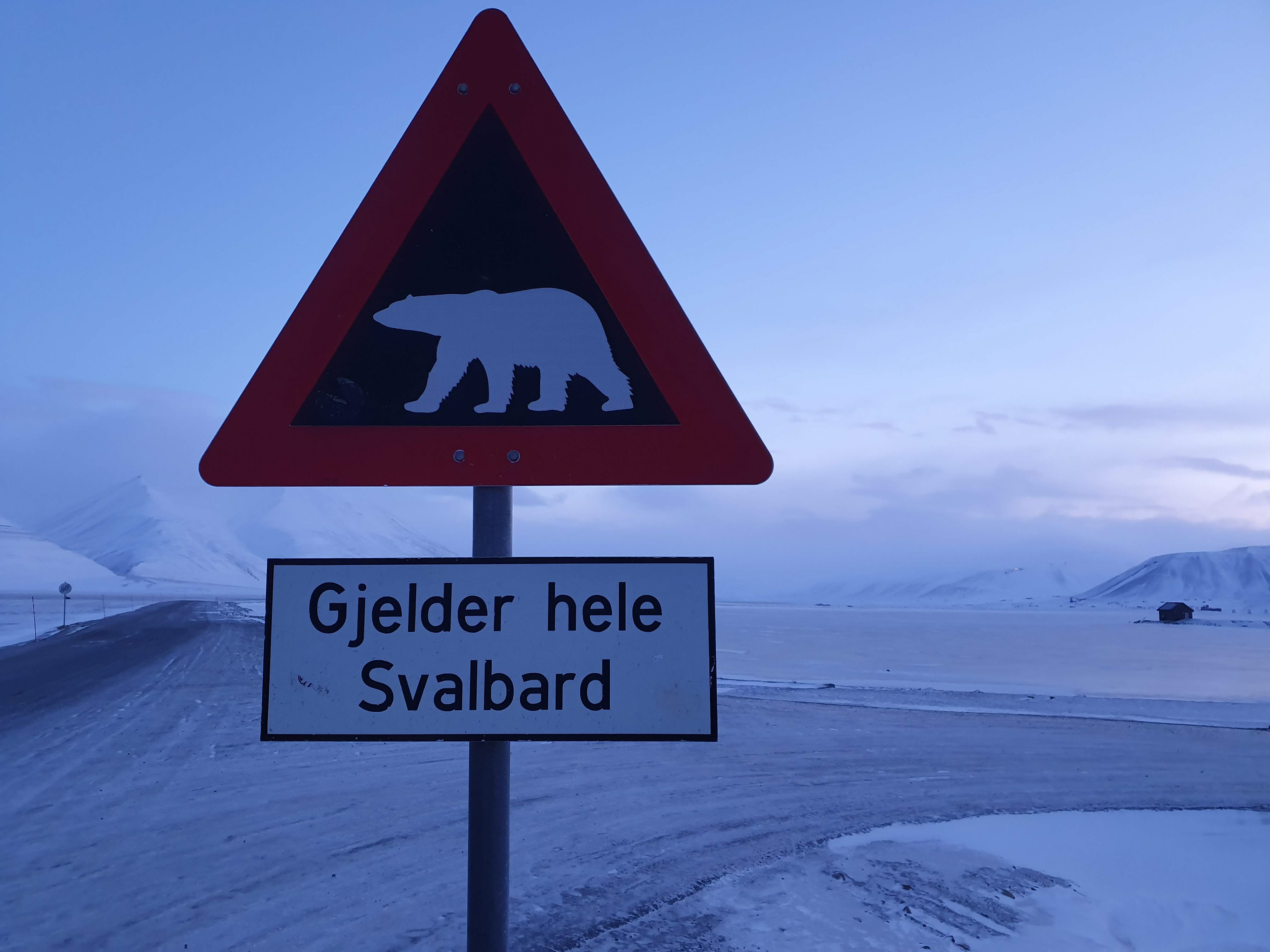
One of the first things you are warned about when you visit Svalbard is the danger of wild polar bears which may just enter the town in searh for food. So it only makes sense that I should warn you in the first picture.
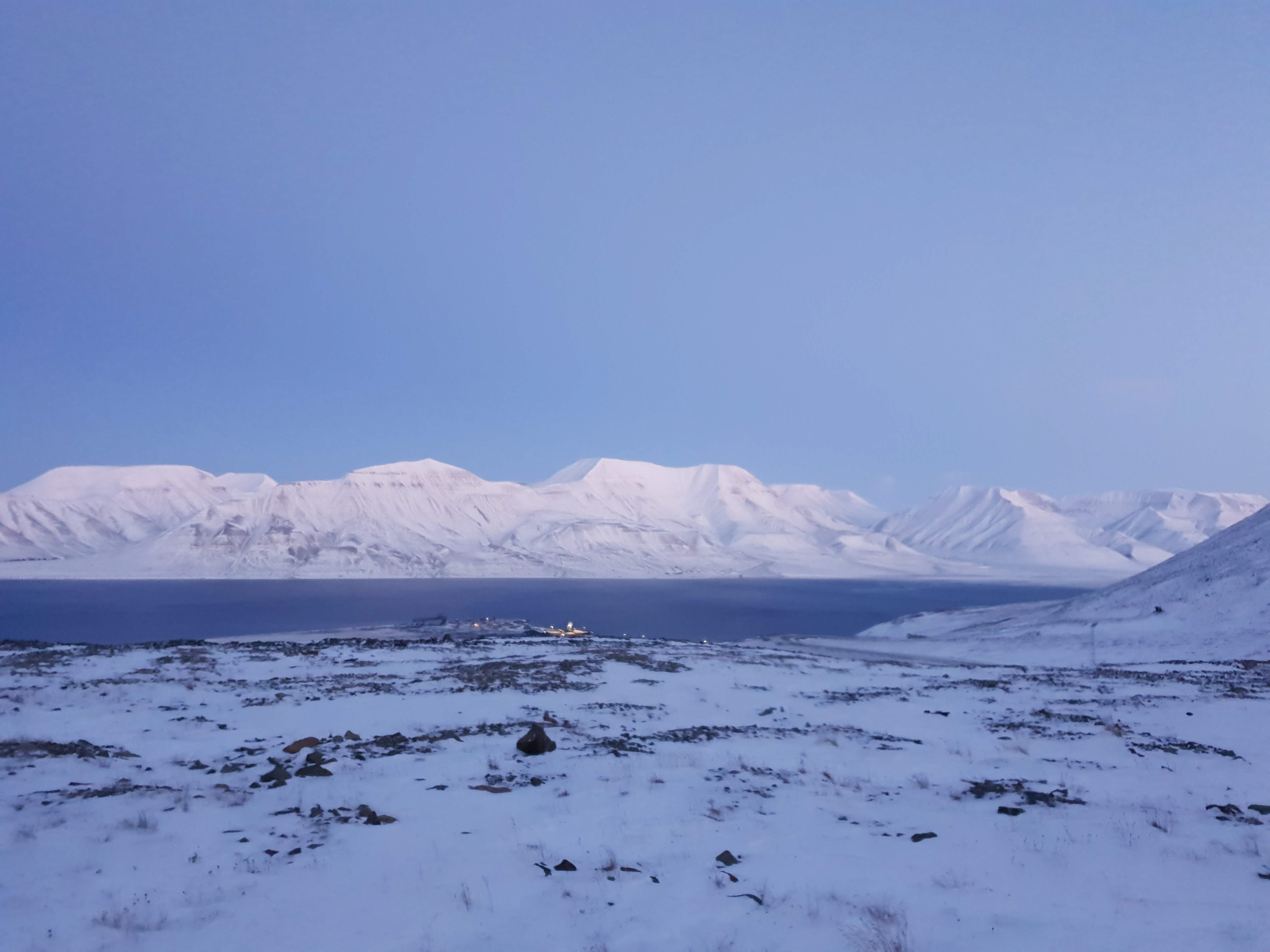
I arrived in Svalbard on the 1st of November which is when the sun does not come above the horizon. This is the brightest the days got, so a lot of my photographs were long exposures. This picture below was taken next to the gun range I had to visit in order to get my safety training with a rifle incase of a polar bear wanders too close. I don't think I ever got tired of the colossal mountains across the fjord.
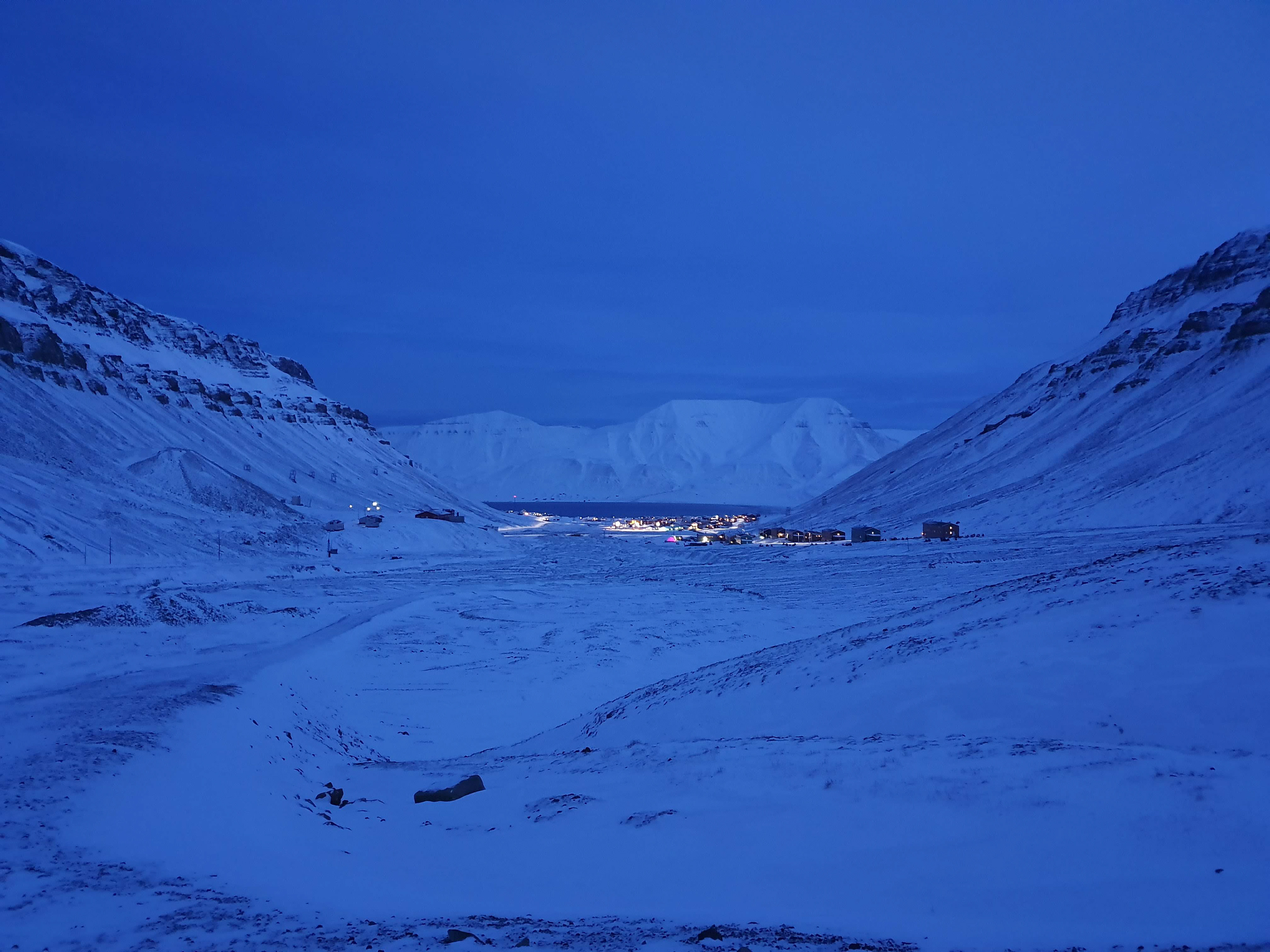
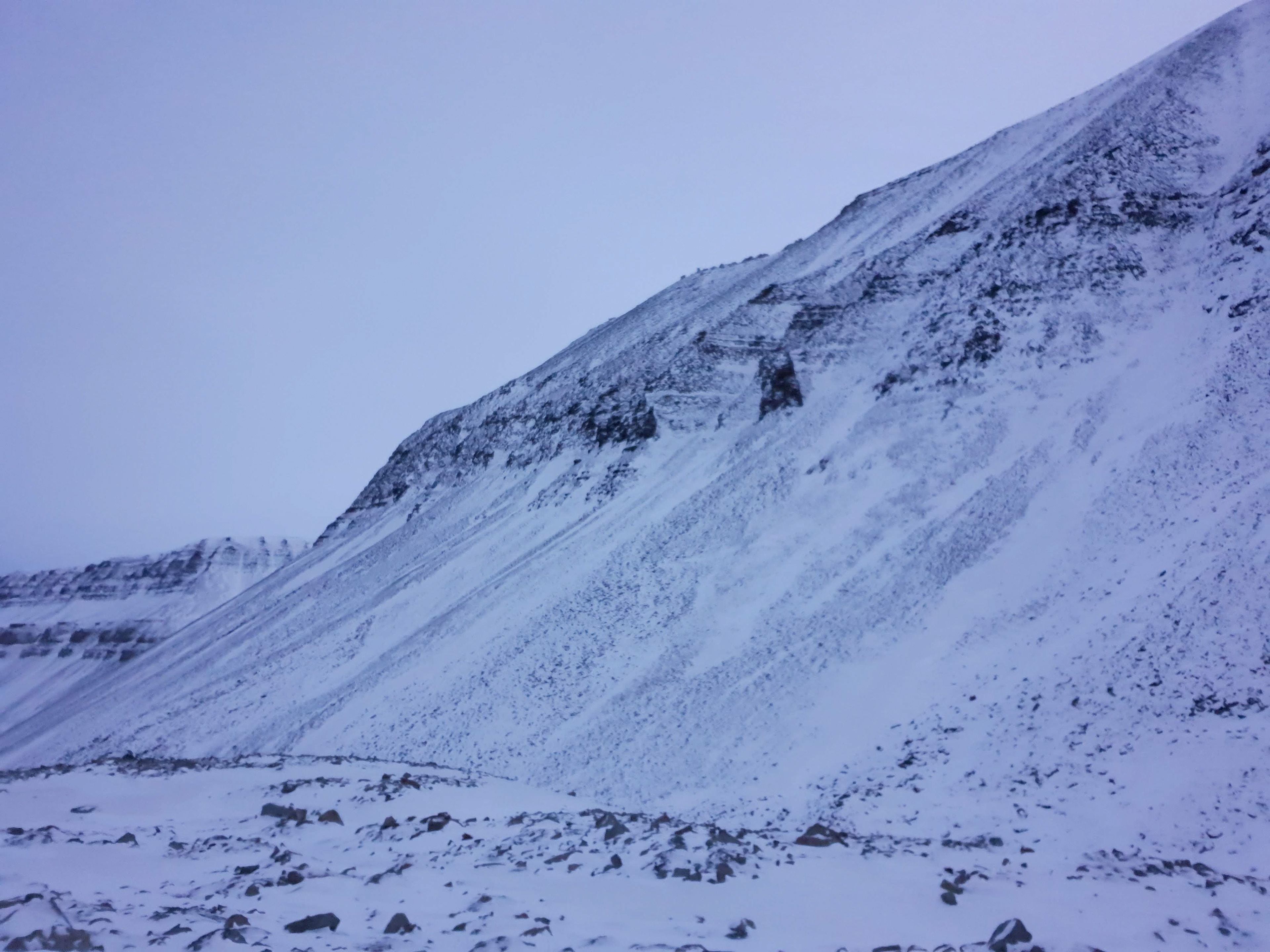
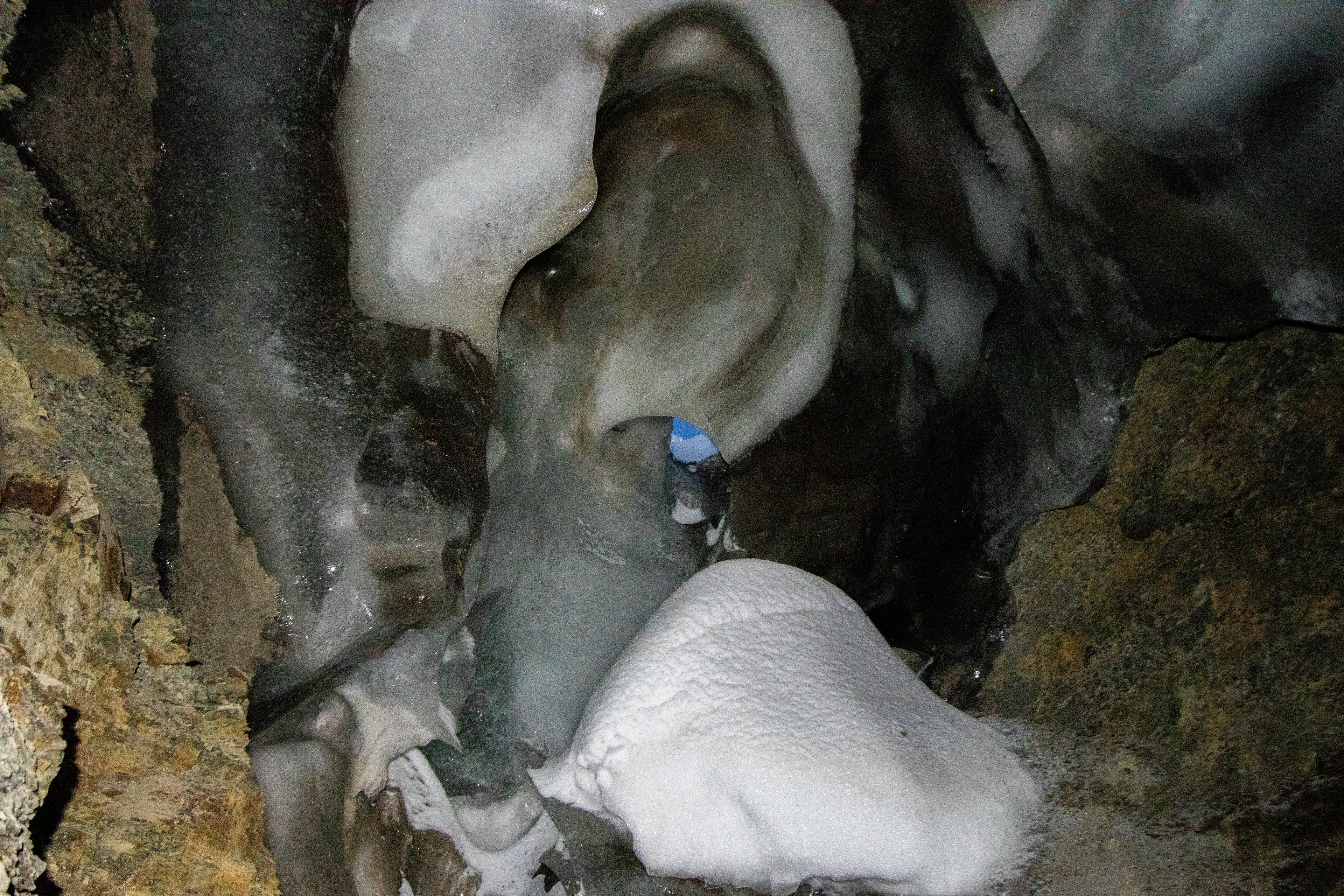
The days started getting darker and everything had a strong blue hue. This picture was taken in the morning on the first hike I did up Sarkofagen, just outside of Longyearbyen. The hike took 6 hours and we were defeated by a snowstorm that rapidly came in but we sought shelter in an ice cave.
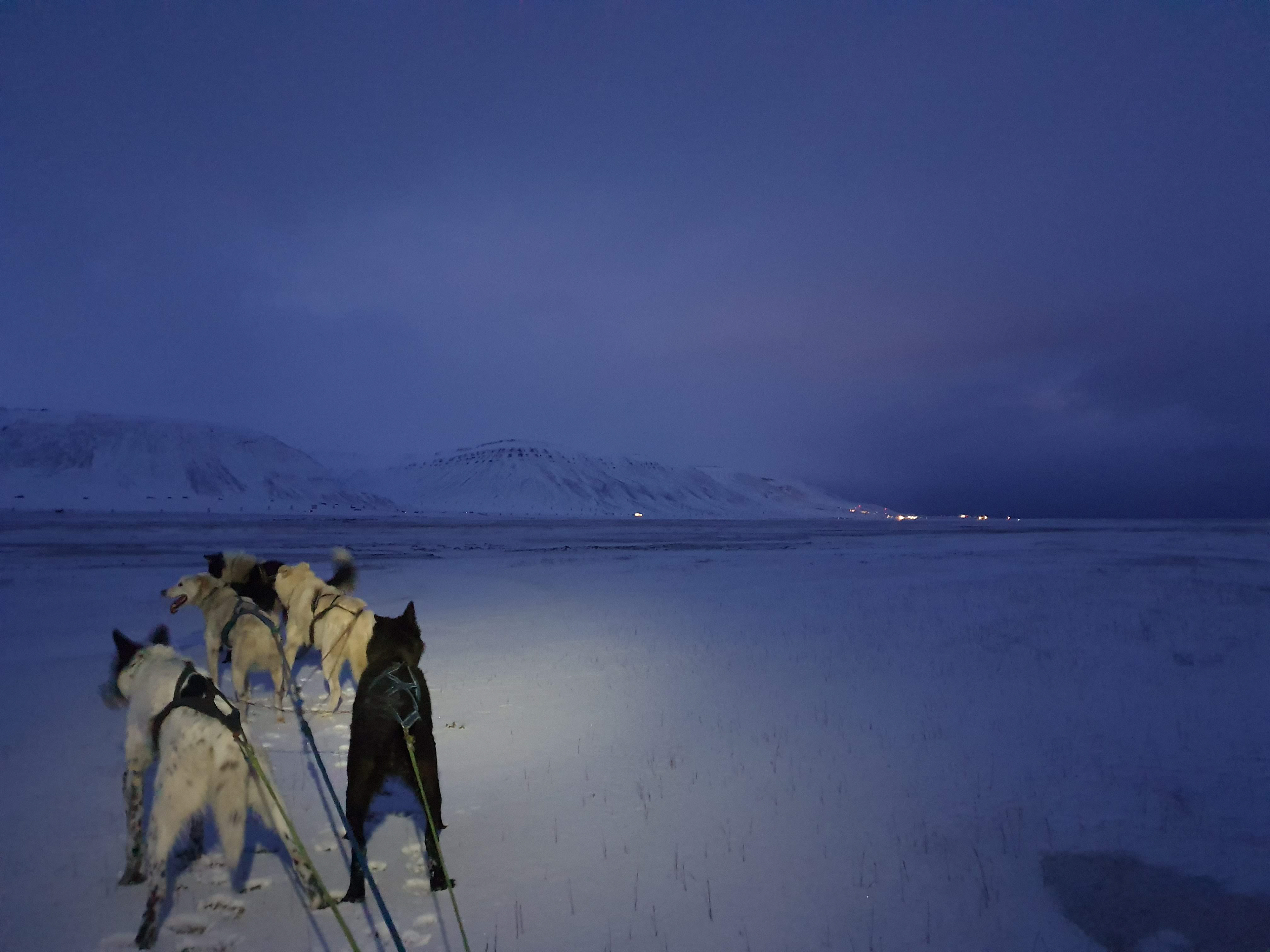
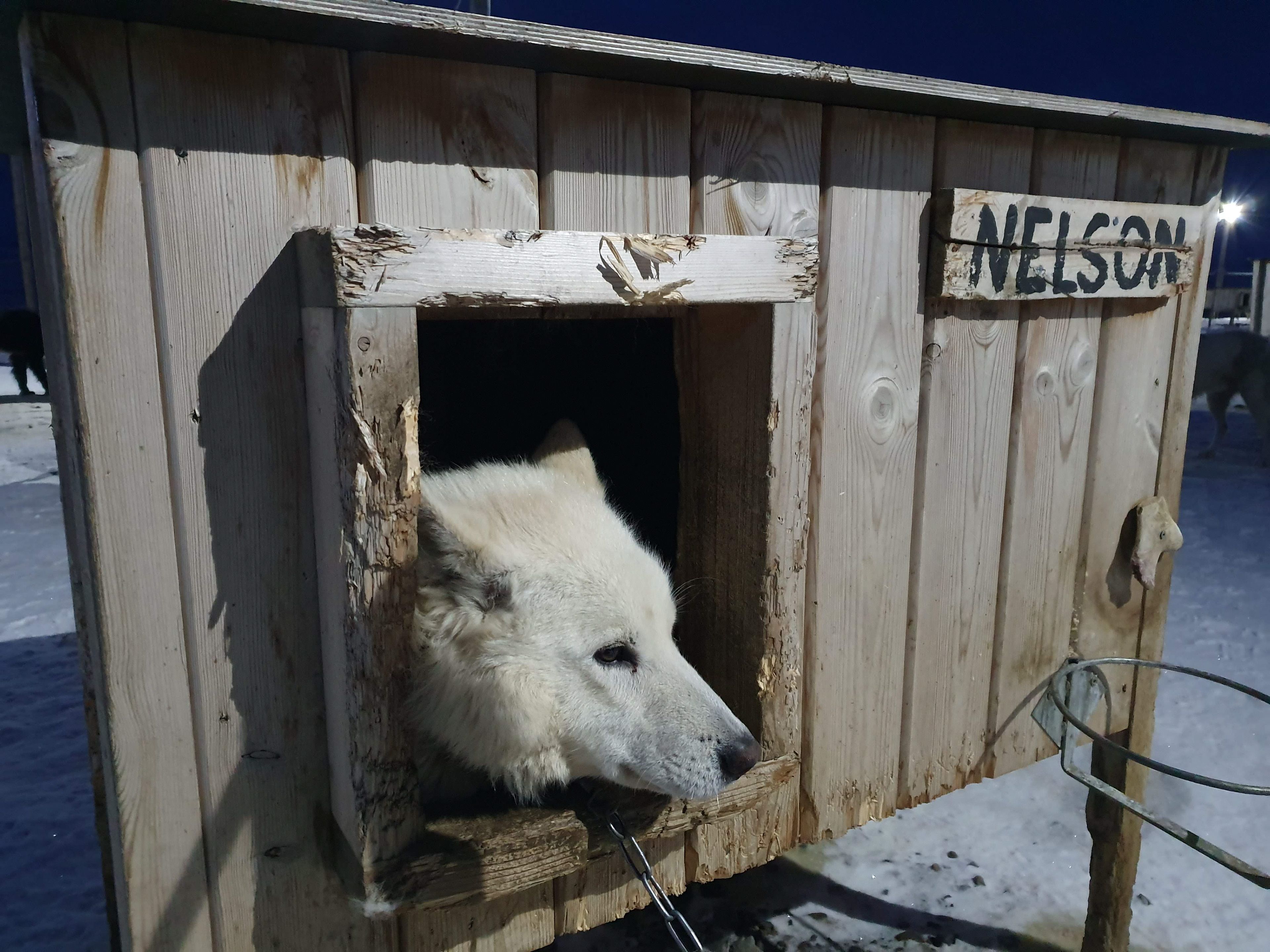
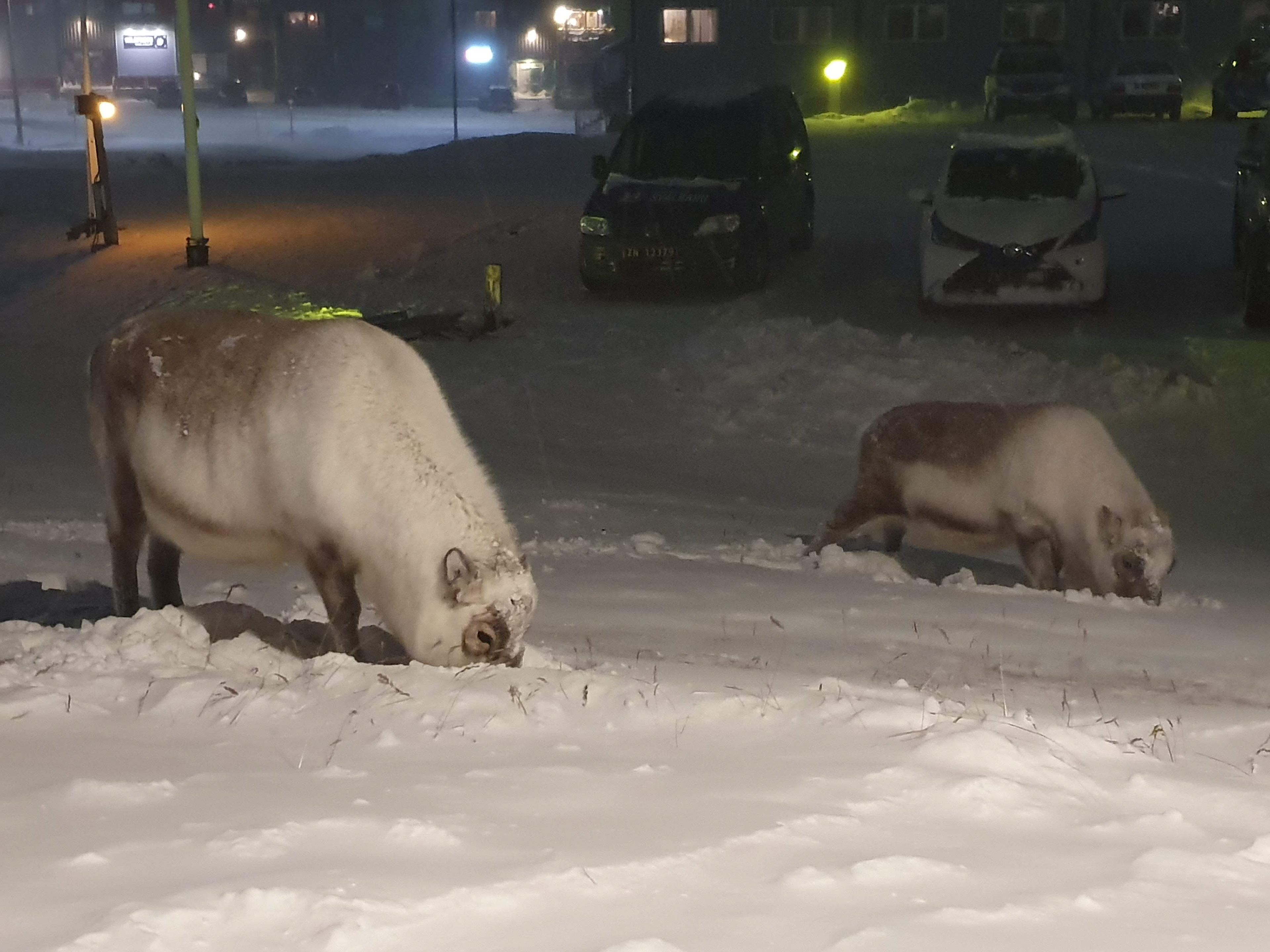
I had booked a dog sledding tour with two friends that visited me from Tromsø. We sled out on the frozen over fjord and passed by some reindeer trying to find something to graze on. I met my favourite dog, Nelson at the husky farm who was just so relaxed compared to all the other dogs who were jumping up on their hind legs trying to lick your face.
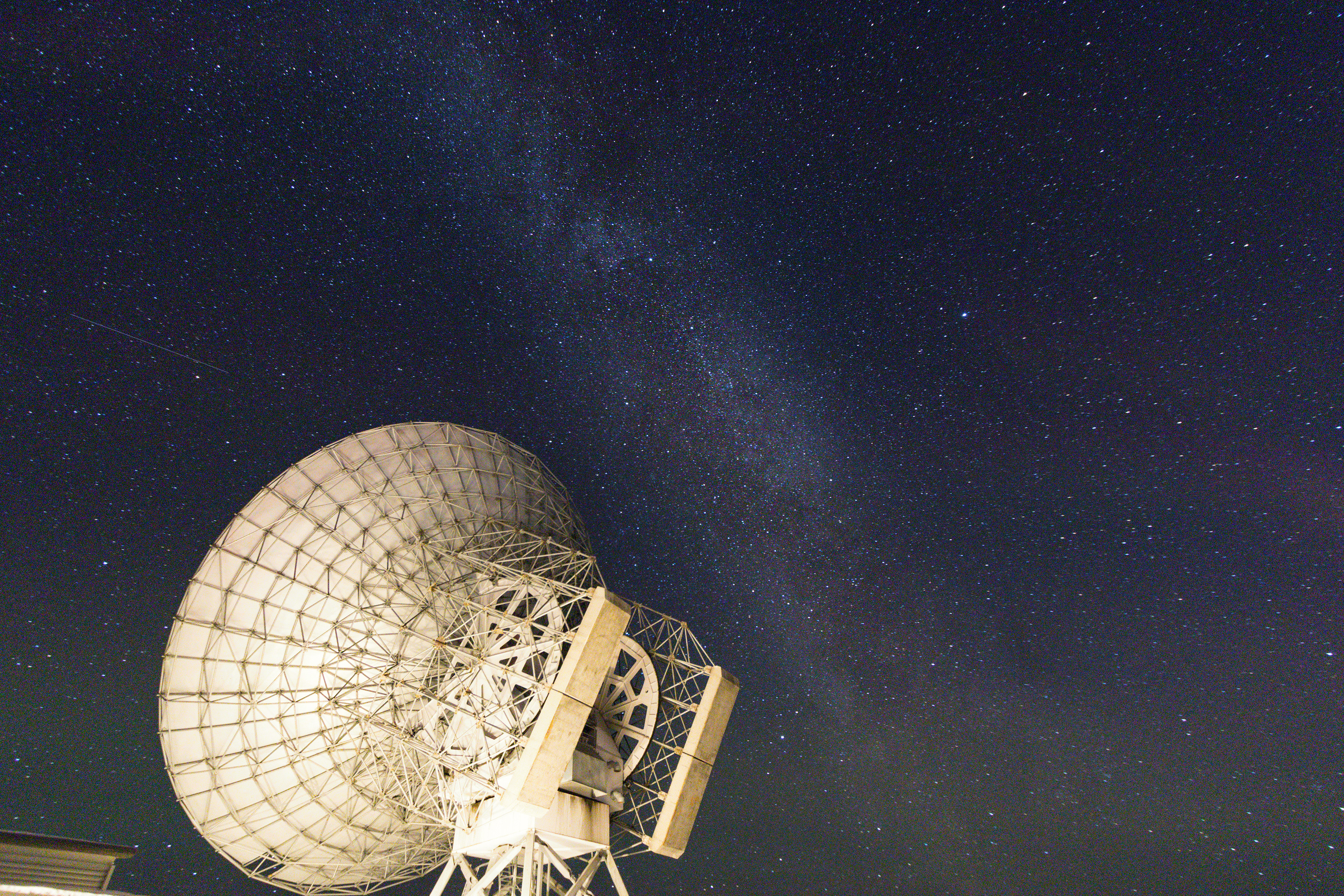
As part of the course I was able to visit the Svalbard EISCAT radar which is situated a short drive out to Bolterdalen, East of Longyearbyen. I was able to try collect data on the lattitude of the open-closed magnetic field boundary with help the professors and engineers there. I later used this data along with all-sky canera photographs of the aurora to identify the location of this boundary.
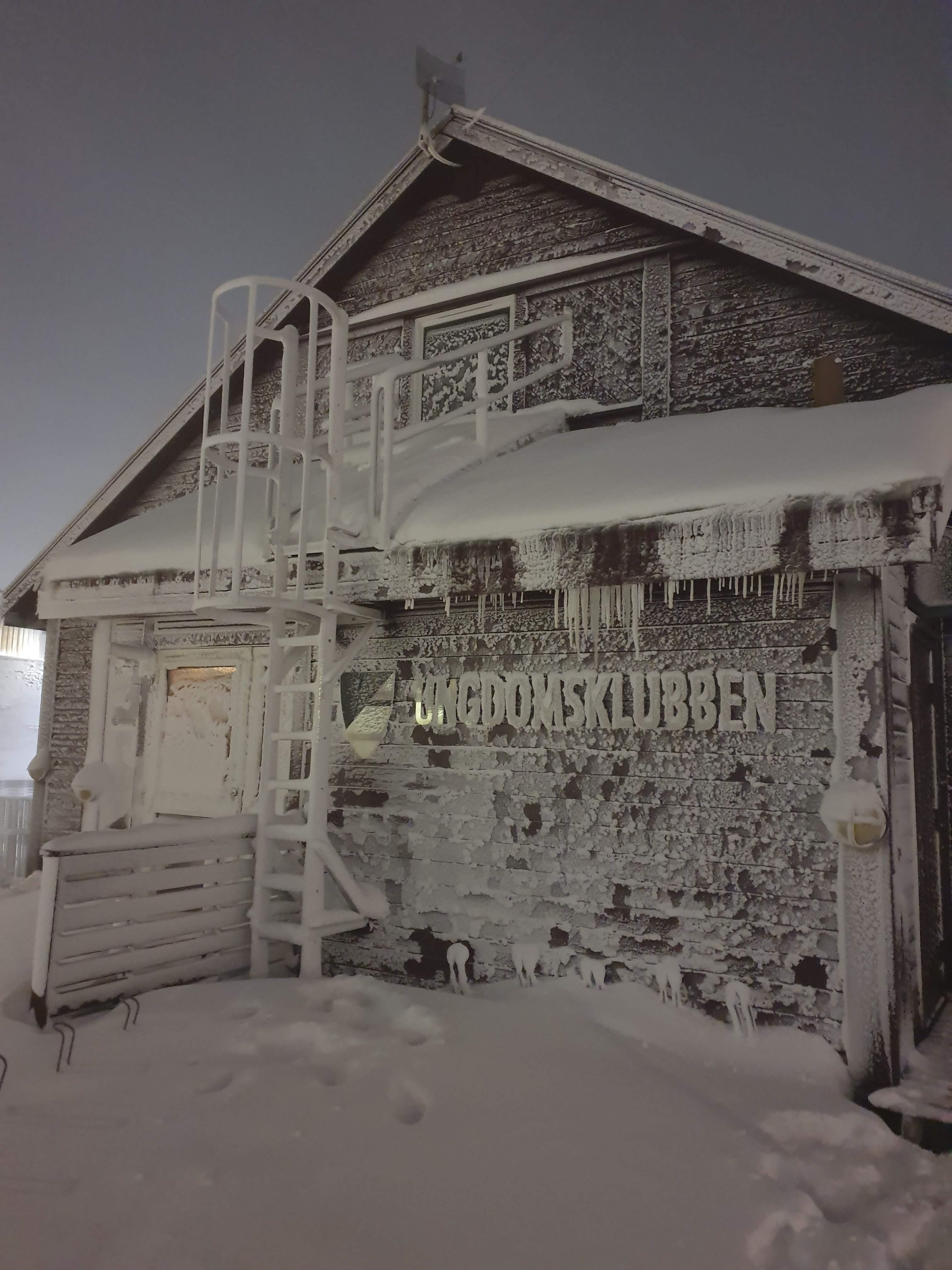
A few days later we were hit with a winter storm that saw temperatures of below -30°C and the town was frozen. This is more what I expected Svalbard to look like in my head, a frozen desert.
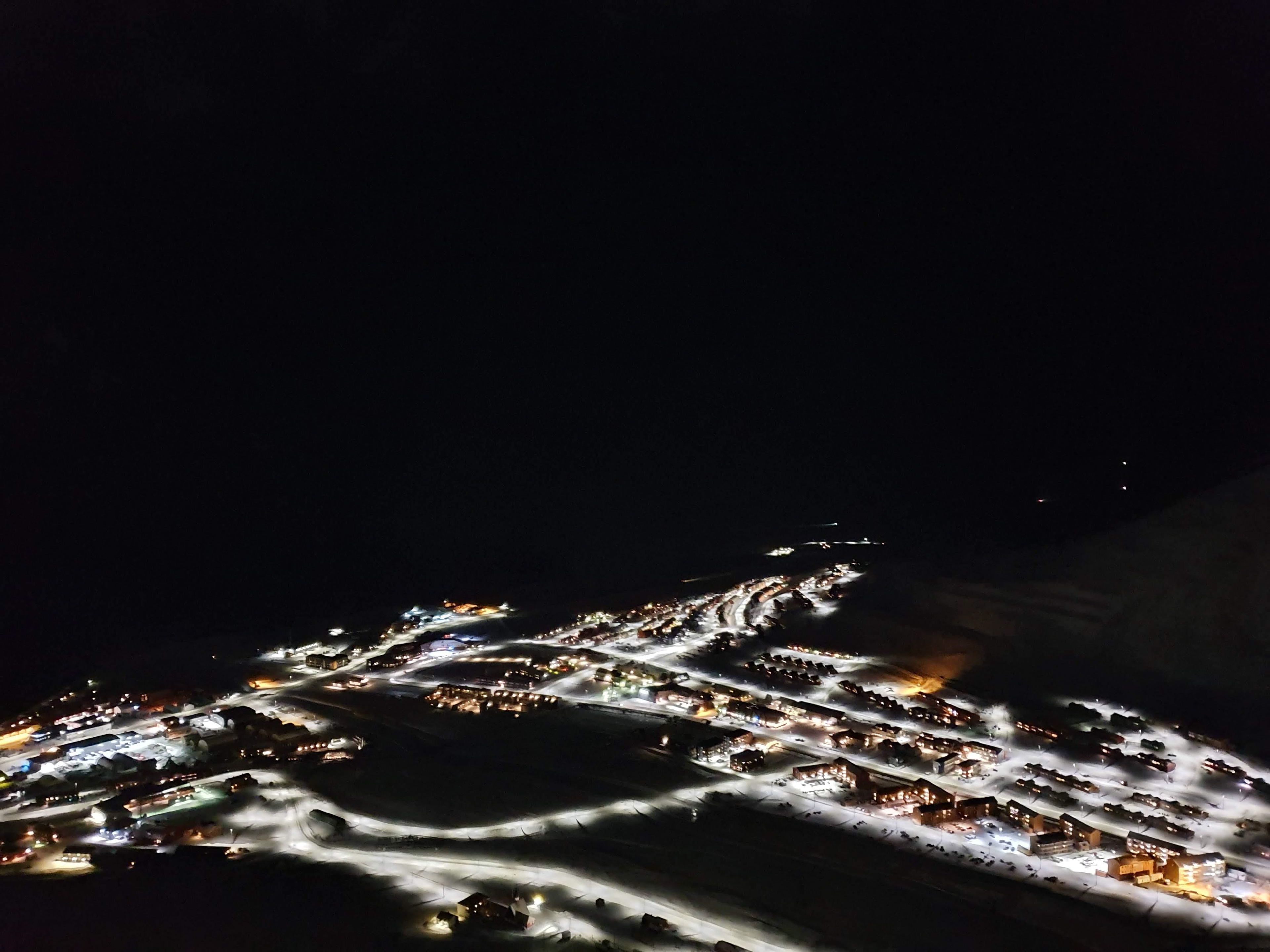
Once the Mørketid (or dark times) had really set in, the skies were pitch black. I could see stars and aurora during midday and the darkness was really affecting my internal clock. Together with my classmates, we hiked up the mountain closest to Longyearbyen to get a view of the small 'city'.
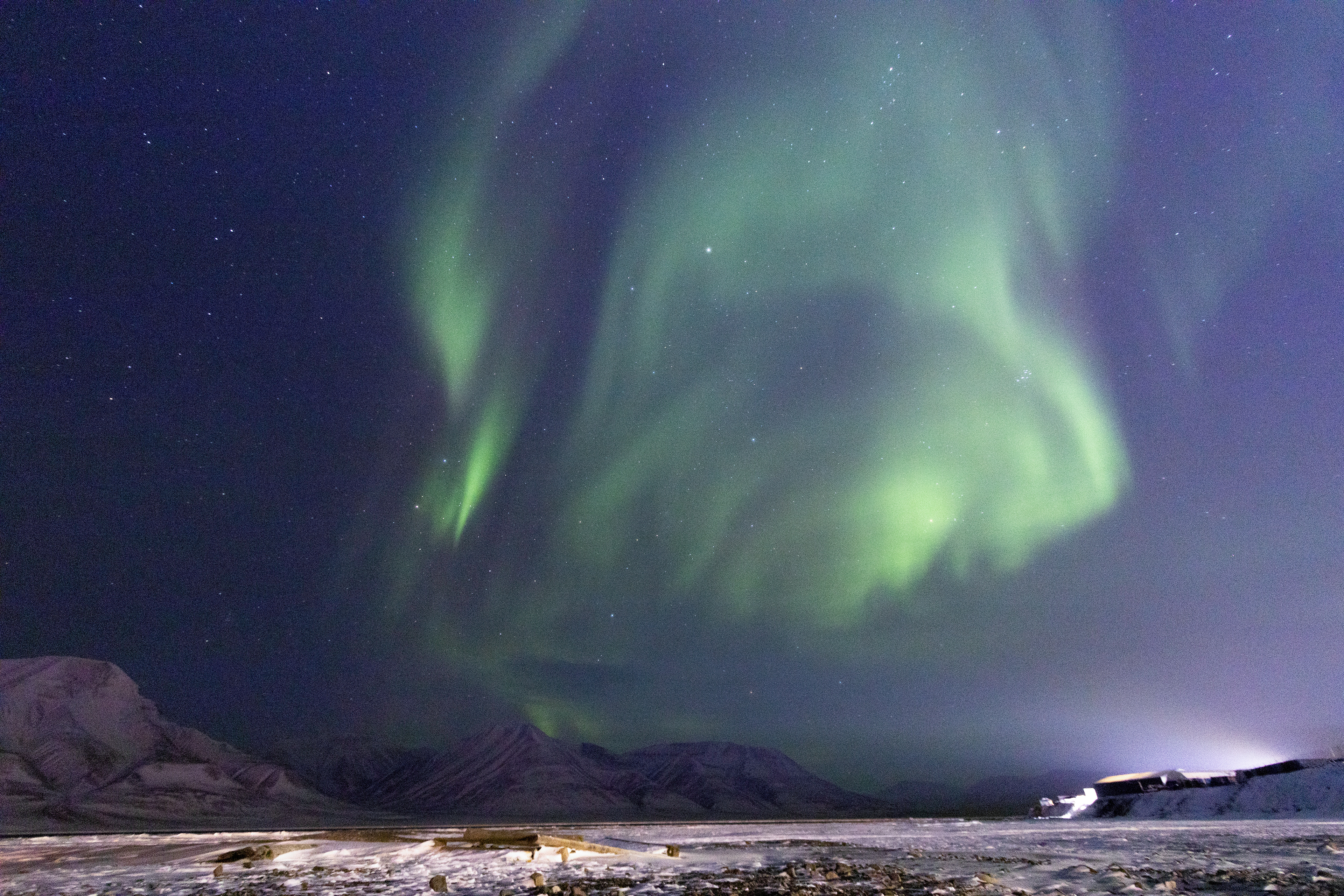
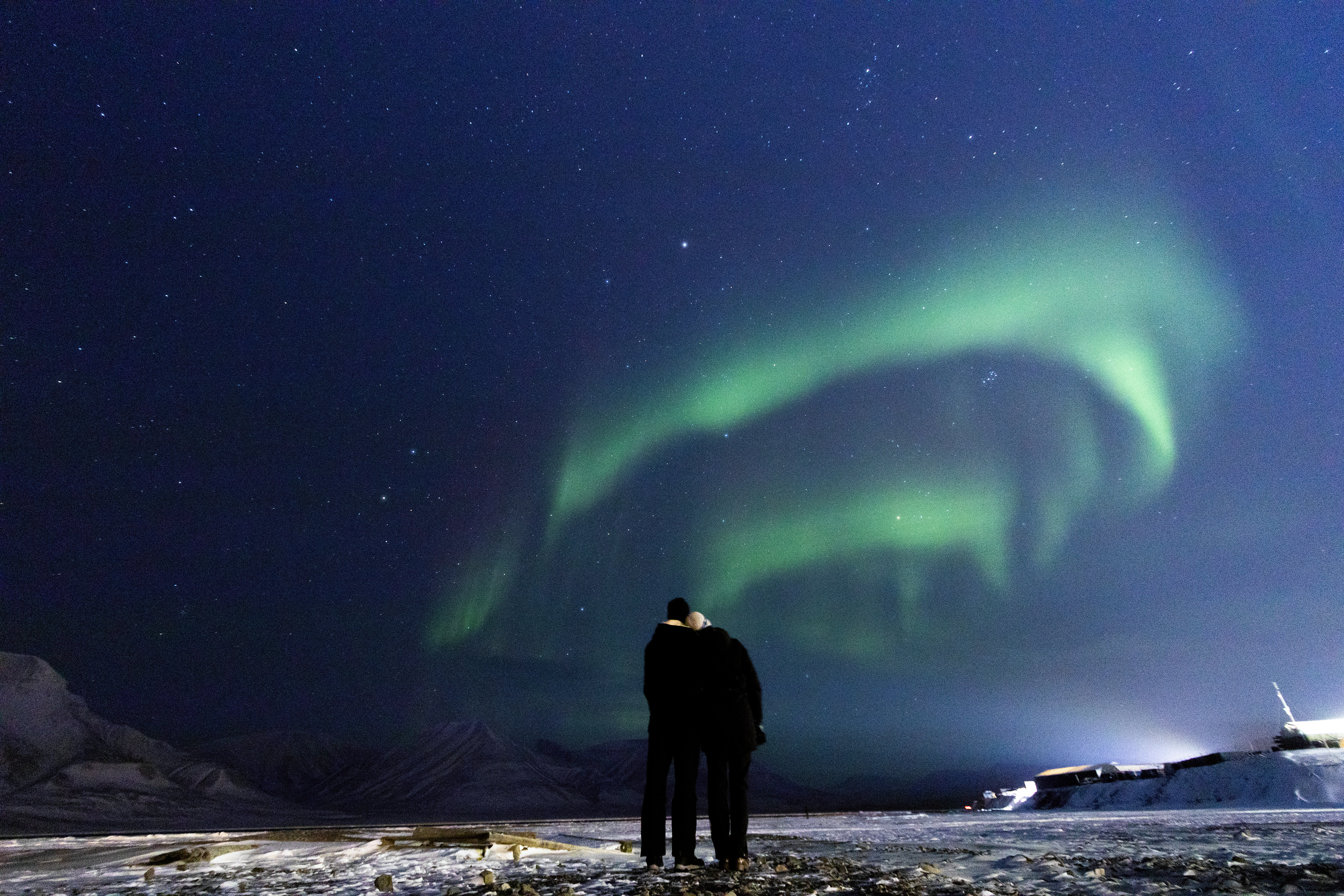
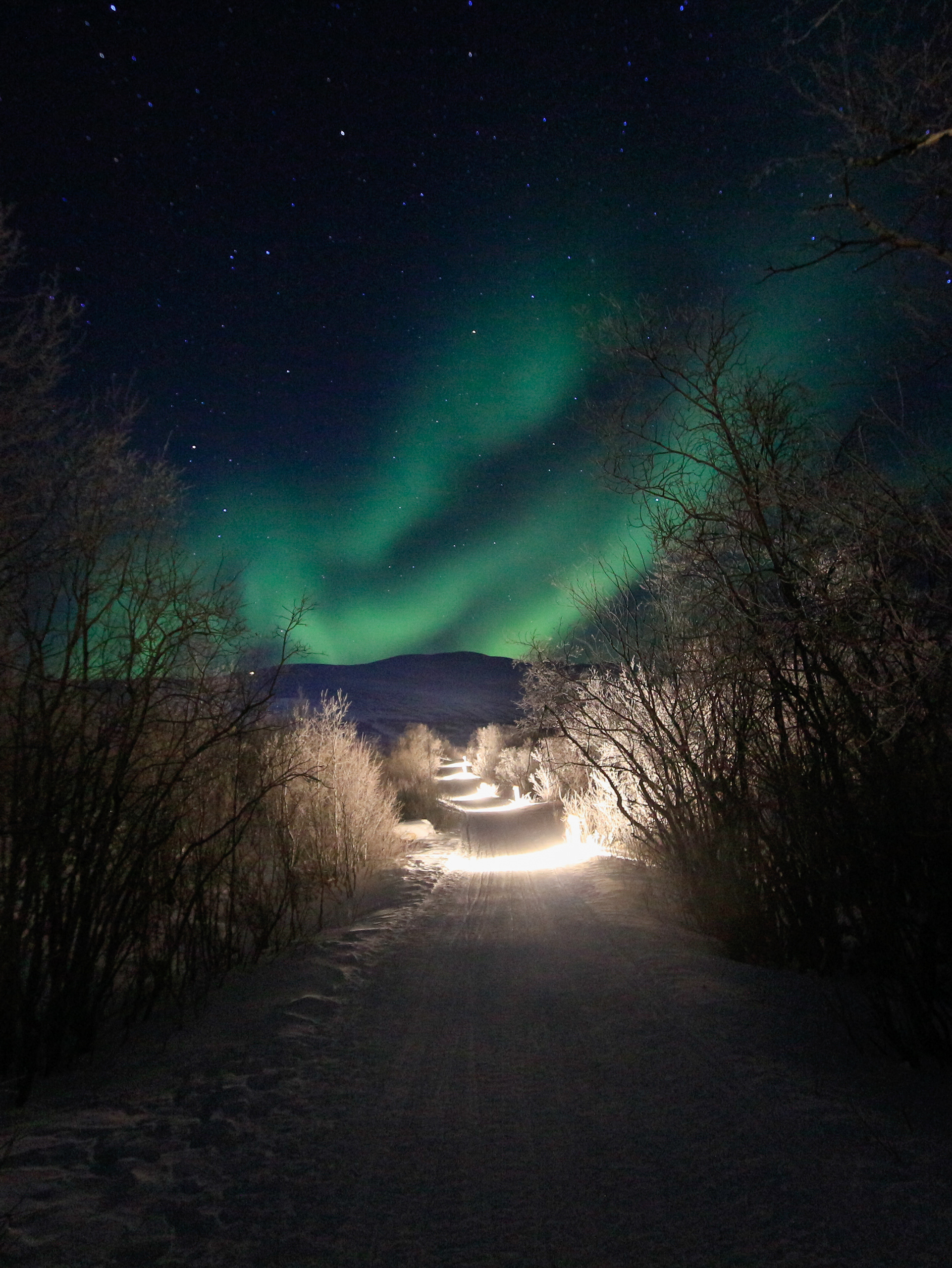
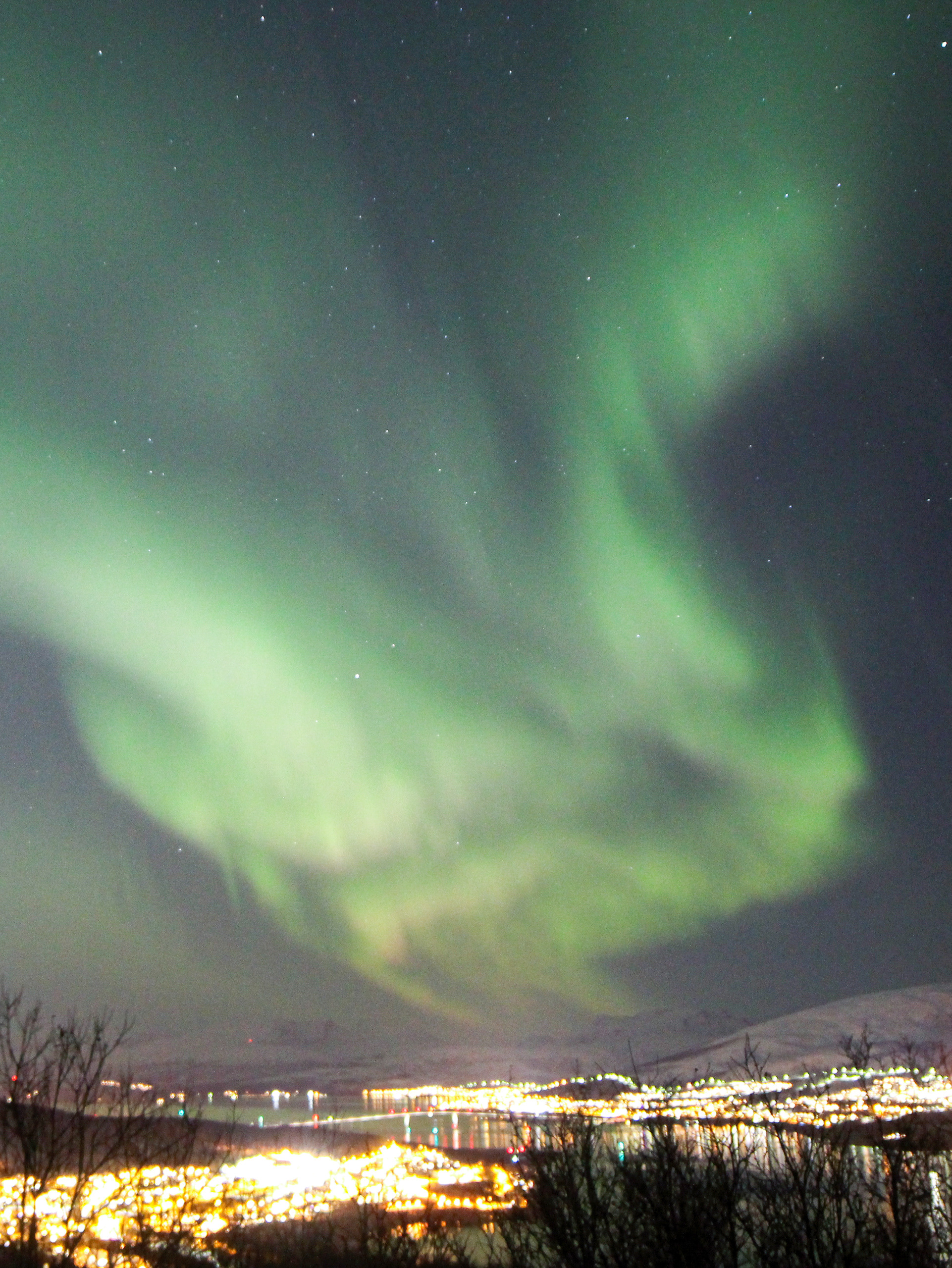
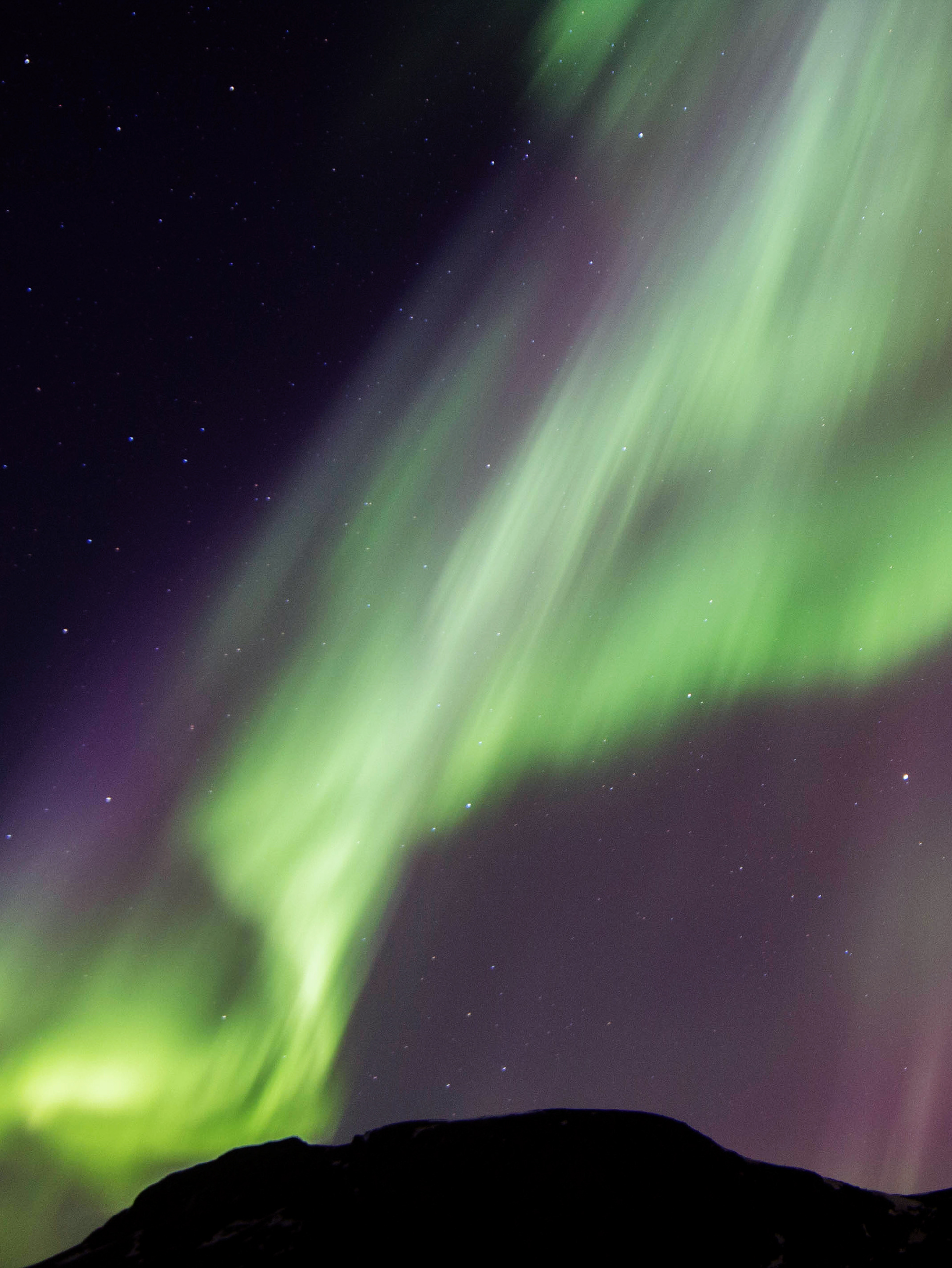
The aurora borealis up in Longyearbyen was incredible! Being so far North allowed us to see amazing displays of aurora even where there was little geomagnetic activity. Another bonus of being in Svalbard during winter is that scientists can observe the daytime aurora as well due to the sun not rising above the horizon.
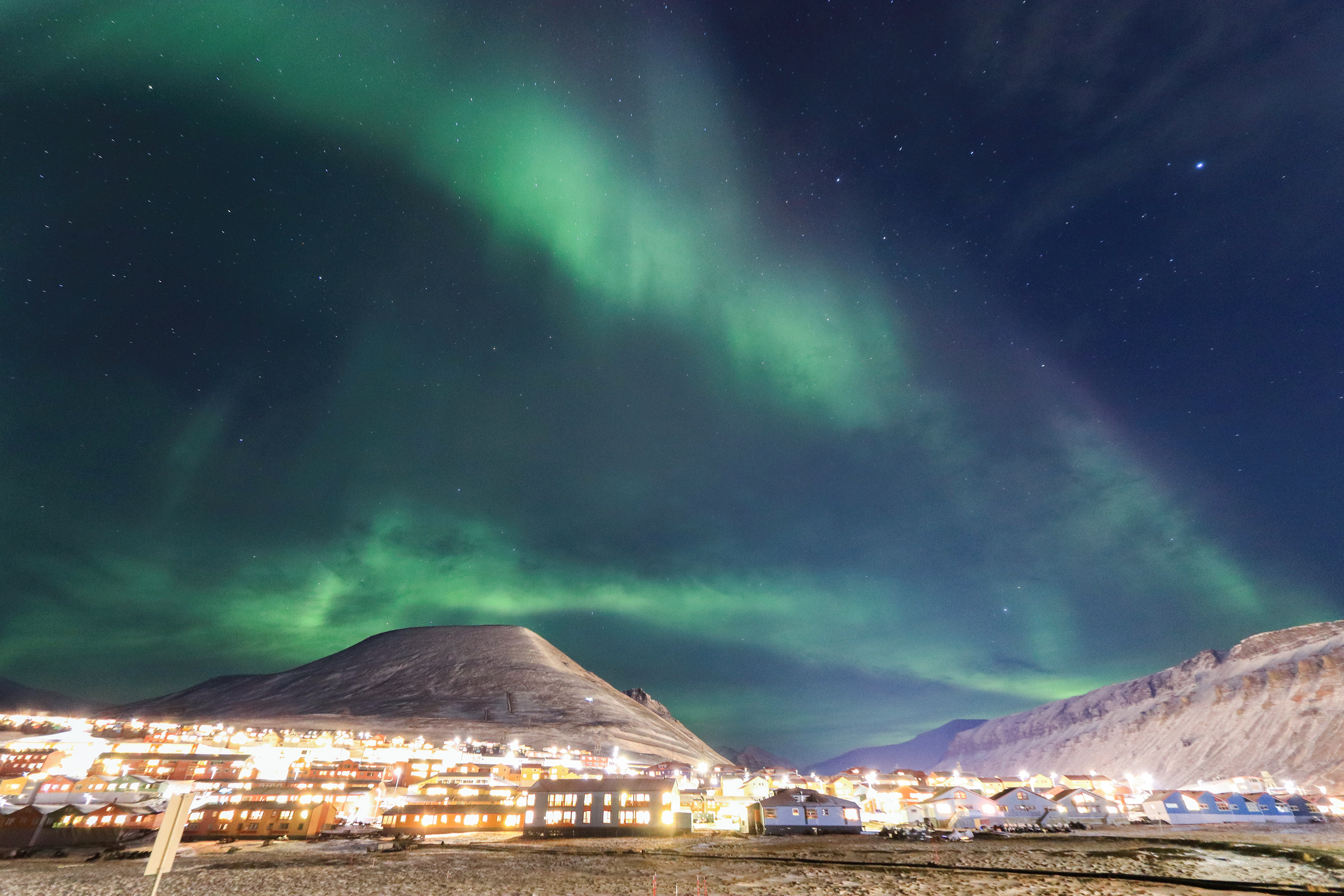
Daytime aurora is mostly red in nature and is harder to detect with our eyes, since our eyes evolved to see mainly green. The daytime aurora is usually red because the particles coming into the atmosphere on the dayside have lower energy than on the nightside, so the particles cannot excite the oxygen that produces the green glow. Red aurora is almost always there, it is just outshined by the green aurora below it. Red aurora is more visible in very high or very low latitudes because you are able to see on top of the green due to the angle you are looking at.
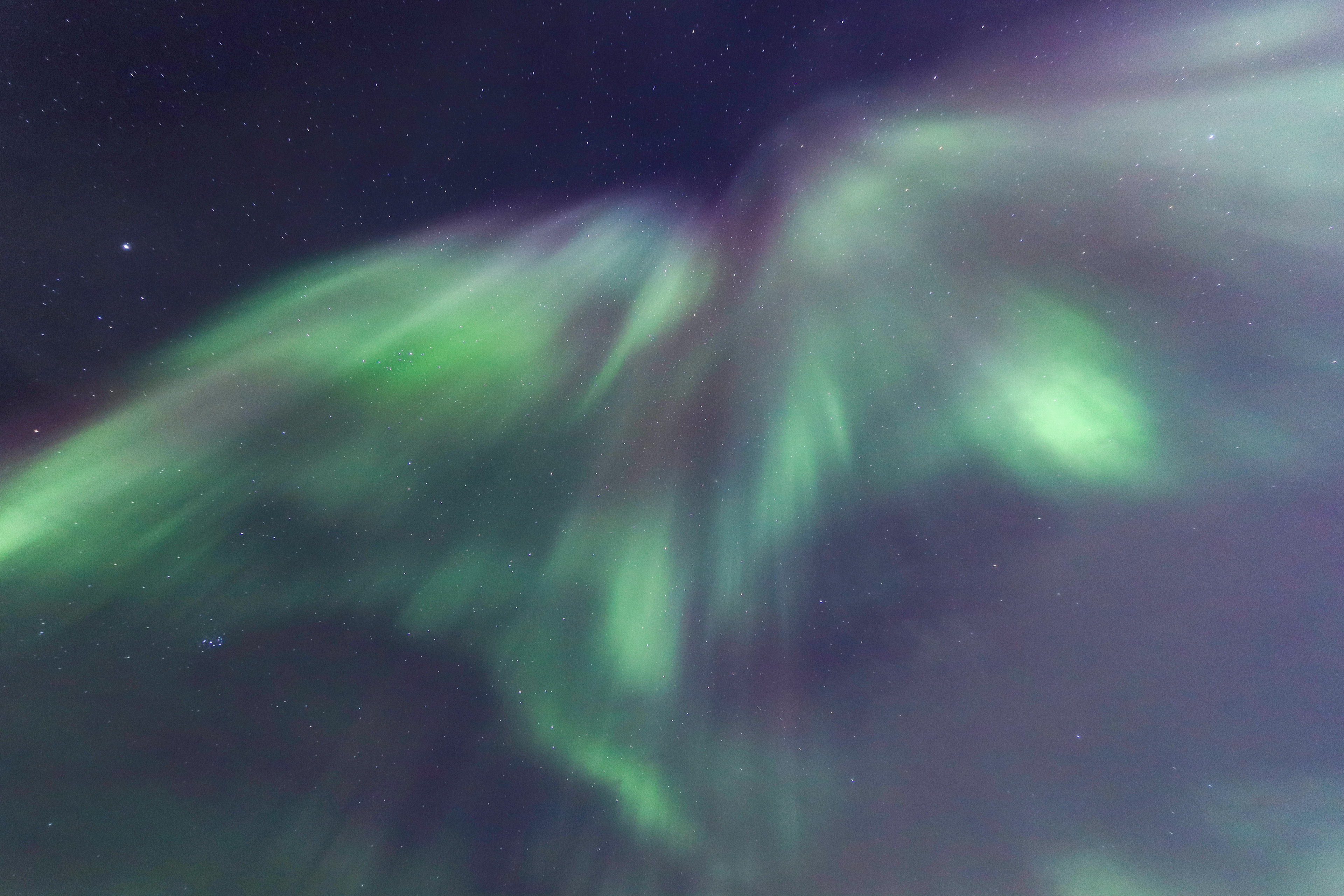
To give an idea of scale here, the bottom of the auroral curtain is at approximately 100 km above the ground and can extend to another 200-300 km higher.